
Menu
- Home
- Ask an Expert
- Women’s health
- Your EFAP
- Wellness resources
- Wellness in the workplace
close
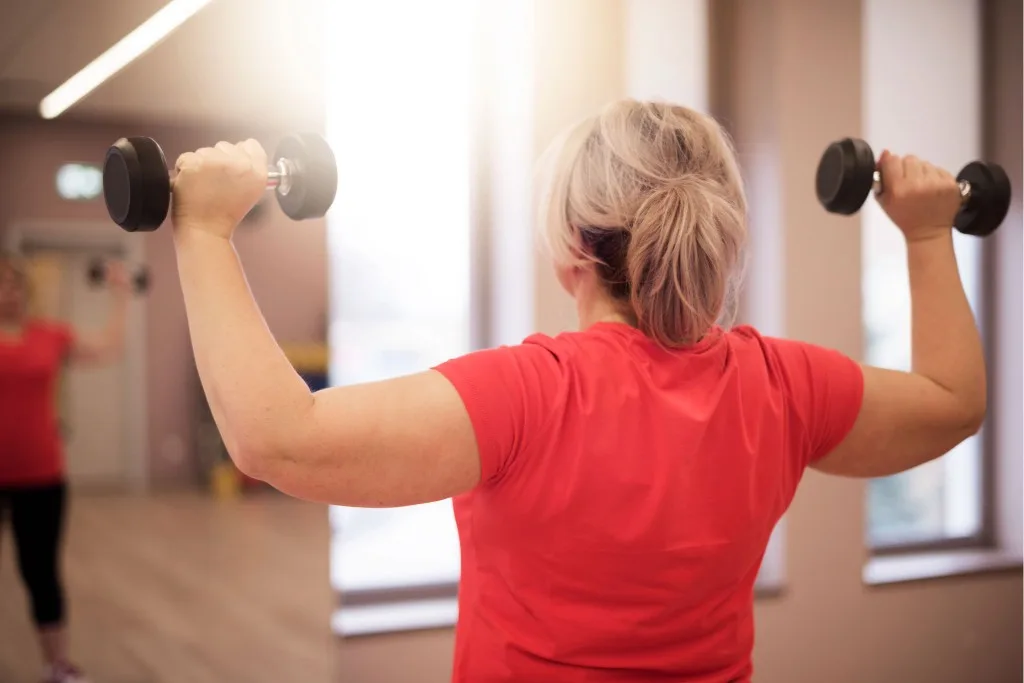
Perimenopause and menopause can bring significant physical and emotional changes that affect everything from sleep and energy levels to mood, concentration, and overall well-being. While every person’s experience is different, research continues to show that regular physical activity can play an important role in managing symptoms and supporting long-term health.
To help unpack the connection between menopause and exercise, ASEBP spoke with Jill Rehman, a menopause health and fitness specialist, personal trainer, master health coach, and nutrition coach. In this article, Jill shares evidence-based insights and practical tips to help you feel stronger, more energized, and more confident while navigating this stage of life.
When I was in my early 40’s, I started hearing the same thing from friends: I do not feel great… something is off.
Enter perimenopause, finally a term we are saying out loud, and one I am grateful is becoming more normalized.
I remember thinking, I do not want to feel like that and immediately dove into the research on what actually helps women and others going through perimenopause and menopause feel their best through their 40’s and 50’s.
Managing perimenopause and menopause is a big picture effort. Nutrition, exercise, hormone therapy (talk to your doctor about whether it is right for you), sleep, stress management, mindset, and boundaries all matter.
I know that it can feel overwhelming. Who has time or energy to do all those things?
Today, I want to focus on one pillar that consistently moves the needle across nearly every symptom: exercise.
Not for shrinking your body. Not for “being good.” But for managing symptoms, protecting long-term health, and helping you feel more like you again.
There are some important facts here. While it is helpful to understand what to do and why to do it, it is even more important to actually do it. Please check out these practical tips that are so simple, you might just give them a try.
Menopause symptoms are commonly thought of as the ones that disrupt daily life:
… and approximately 99 others.
But equally important are the symptoms you do not feel:
These invisible shifts matter just as much as the ones that show up in your relationships, your work, or your energy levels.
This is the part many never hear: exercise does not just help long-term health. It can directly improve many of the symptoms that make daily life harder.
More than hot flashes, I would put sleep issues at the top of the most common menopause symptoms list. Walking around in zombie mode is brutal.
Strength training, cardio, and yoga improve sleep quality, reduce nighttime awakenings, and support deeper, more restorative sleep. Movement boosts mitochondrial function (your cellular energy factories), improves circulation, and reduces fatigue.
Too tired to take up a whole new exercise regime? Here are some easy things you can start doing today:
The mental health impact of menopause is wildly under-discussed.
Irritability, low mood, anxiety spikes, and hits to self-confidence are real and common.
Exercise boosts endorphins, serotonin, and dopamine – your natural mood stabilizers. Many people start exercising for health reasons but continue because of how it makes them feel.
After a workout, people are less annoying (I promise), stress feels more manageable, and your emotional bandwidth expands.
Scheduling workouts earlier in the day. The endorphins will help you start your day feeling really good.
Learning how to lift heavy (heavy for you. No ego lifting, please). Deadlifts do not just make you stronger. There is something incredibly empowering about discovering what your body is capable of.
Or perhaps take up kickboxing. It can be a great way to release stress and frustration.
I have heard menopause described as an awakening, like someone suddenly turned the lights on. You start seeing all the places you have over-given, over-performed, and over-accommodated. The things you used to tolerate can suddenly feel intolerable because you finally see the imbalance.
That realization can come with stress and frustration, and I cannot emphasize enough how effective exercise can be for managing stress. Go ahead and try it and tell all your friends!
Add in yoga and mobility. Yoga and mindfulness go hand in hand. Regular yoga and mobility exercises can ease stress, lower anxiety, and encourage a calmer state of mind.
Go for a walk. Walking is a panacea. Want to improve your mood? Go for a walk. Want to boost your energy? Go for a walk. Want to improve blood sugar and digestion? Go for a walk. Want to live longer? Go for a walk.
Forgetting what you were about to say? Wondering why you walked into the room?
No, more curcumin is not the answer.
Exercise is. And sleep (see above).
Movement increases blood flow to the brain and boosts BDNF (brain derived neurotrophic factor), which supports memory and mental clarity.
No need to overthink it , try:
A 10-minute walk before mentally demanding tasks to improve blood flow to the brain.
Joining a high intensity interval training (HIIT) class with a friend at least once a week. I have heard CrossFit is a lot of fun. In fact, everyone I know who does it absolutely loves it. Zumba or a bootcamp class could be fun too. Honestly, I am in for anything as long as the playlist is good!
Strength training and mobility work improve joint stability, reduce inflammation, and support connective tissue.
The stronger your muscles are around your joints, the better.
If joint pain is preventing you from exercising, talk to your physiotherapist and doctor. Remember motion is lotion.
One of the most confusing parts of perimenopause is the shift in how your body stores fat. Many notice weight settling around the abdomen, even if their habits have not changed. This is not your imagination.
Declining estrogen plays a major role in fat redistribution, meaning your body becomes more likely to store fat viscerally (around the organs) rather than subcutaneously (under the skin).
A key distinction: Estrogen changes where fat is stored. Lifestyle factors determine whether fat is gained.
Menopause itself does not cause weight gain.
What does tend to change are the factors that influence weight including:
These shifts make weight gain easier, but they do not make it inevitable.
The biggest misconception: “I just need to exercise more”
The myth that to lose weight, you just need to exercise more is still alive and well.
As I have mentioned, exercise is powerful for symptom management, mood, bone density, and longevity. However, when it comes to weight loss, the primary driver is nutrition, not exercise.
When you look at total daily energy expenditure, exercise is a tiny piece for most people. The truth? You cannot out‑exercise a calorie surplus. Please do not try. Your relationship with food matters.
Exercise that supports weight loss goals when paired with nutrition
Exercise helps your body use insulin better and builds muscle. Even small amounts of extra movement throughout the day, like sitting less, can make a difference, but nutrition is still essential.
Visceral fat behaves differently than other types of body fat. It is more strongly linked to metabolic conditions like insulin resistance, type 2 diabetes, and cardiovascular disease.
Because visceral fat increases during menopause due to fat redistribution, it is important to address it directly.
The good news is that exercise is highly effective at reducing visceral fat when paired with a calorie deficit.
Try:
Exercise can reduce headache frequency and intensity by improving circulation and lowering stress.
Walking and gentle cardio improve gut motility and reduce bloating.
Regular movement reduces the frequency and intensity of hot flashes by improving thermoregulation.
Exercise keeps those blood vessels flexible and responsive.
Final thoughts
Perimenopause and menopause can feel overwhelming, but exercise gives you agency.
It gives you time to focus on yourself.
As much as it sounds like work, it can be a battery recharger, physically and mentally.
Exercise helps you feel more energized, clearer, calmer, and stronger, while protecting your health for decades to come.
You deserve to feel capable, confident, and resilient, and exercise is one of the most powerful ways to get there.
Managing menopause symptoms can take a whole team. Depending on your benefit plan, ASEBP offers access to supports that can help with sleep, stress, mental well-being, nutrition, and overall health such as:
If you are not sure what supports are available to you, log in to My ASEBP or contact a benefit specialist for assistance.
The information provided in this article is for personal use, reference, and education only. ASEBP does not provide medical advice. Before starting any medication, product, or treatment, you should always consult with your pharmacist, health care provider, or call Alberta Health Link at 811.
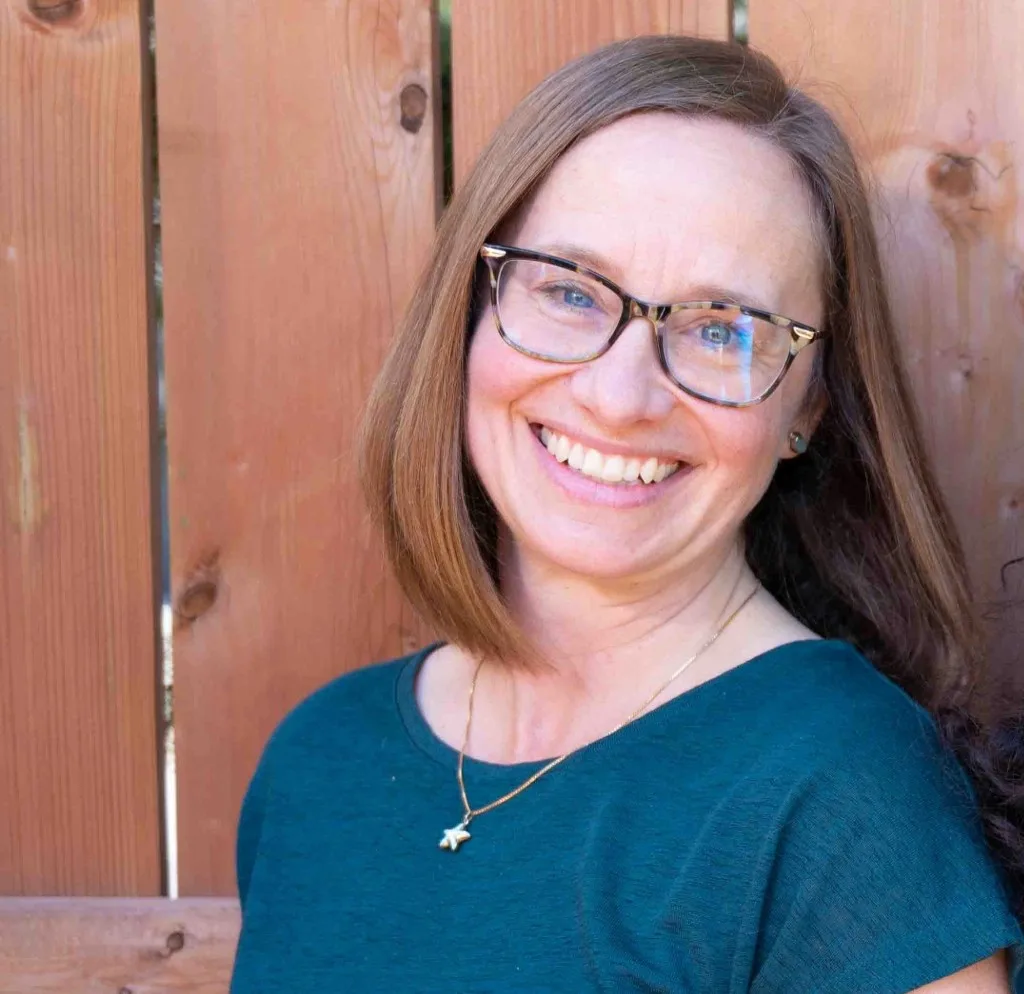
Every year Jill works with hundreds of clients to help them feel better, get stronger, and become fitter while navigating menopause.
For more information, email benefits@asebp.ca or call 1-877-431-4786
You can also schedule a phone or video meeting with a benefit specialist at asebp.ca/contact-us